
Life Insurance for High Risk Occupations
Independent, FCA regulated advice on life cover for hazardous and specialist occupations. Whole of market, free first conversation, no obligation.
Why your occupation affects life insurance
Insurers price life cover on risk, and some jobs carry more of it. Working at height, working offshore, handling hazardous materials, responding to emergencies or flying and diving as part of your role all change how an application is assessed.
What matters is the detail rather than the job title. Two people with the same title can be rated very differently depending on what they actually do day to day, how often, and in what environment. A roofer who works only on domestic single storey properties is a different proposition from one working on commercial high rise.
Insurers also differ from each other more than most people expect. One may decline an occupation outright while another prices it as standard. That is the main argument for going through the whole market rather than applying directly to a single insurer and taking the first answer you get.
Emergency Services and Public Safety
Shift patterns, call outs and exposure to incidents all get looked at, and insurers vary widely in how they rate these roles.
Working at Height, Offshore and Remote Environments
Height, isolation and distance from medical help are the main factors here. Some insurers apply a loading, others decline, and a few price these roles normally.
Aviation, Diving and Other Specialist Roles
Licences, hours logged, depth limits and the type of operation all matter. Insurers often ask for a specific questionnaire on top of the standard application.
All high risk occupation guides
What insurers usually ask about
The common areas are working at height and the safety measures in place, hazardous environments such as confined spaces or exposure to chemicals, travel or deployment overseas, and the exact duties you perform rather than your job title alone.
Being upfront about all of it is important. Non disclosure is one of the main reasons claims get disputed later, and an adviser can help you present the information accurately the first time.
Common questions
Can I get life insurance in a high risk job?
In most cases yes. A hazardous occupation usually affects the price or the terms rather than ruling cover out. Insurers assess the specific duties you carry out, not just the job title, and they differ a lot from one another.
Will I pay more because of my occupation?
You may do. Some insurers apply an occupational loading, some exclude a particular activity, and some price the role no differently from any other. Because their approaches vary, it is worth comparing rather than accepting the first quote.
What will the insurer want to know?
Typically the exact duties you perform, whether you work at height or underground, any offshore or overseas work, equipment you operate, and whether you carry out the activity in a work or leisure capacity. Specialist roles often need an extra questionnaire.
What if my job changes after the policy starts?
Most life policies do not require you to tell the insurer about a change of occupation once cover is in force, but income protection often does. Check the policy terms, and speak to an adviser before you assume either way.
Speak to a protection adviser
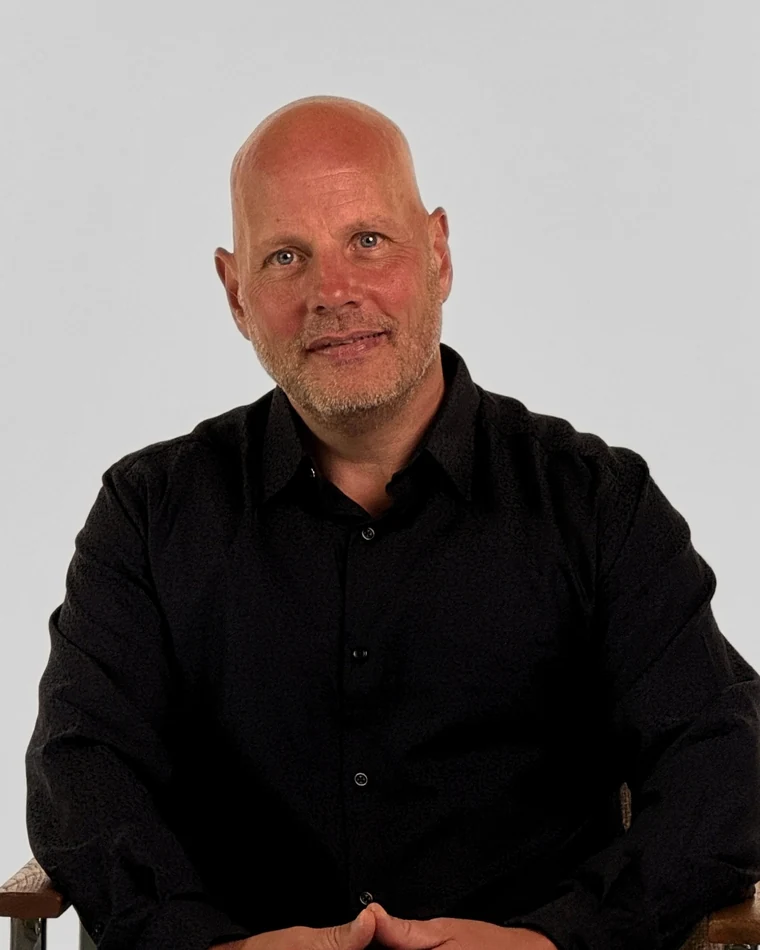
Damian Youell
Damian is the founder of NeedingAdvice.co.uk and the firm’s Senior Mortgage Broker. He specialises in helping clients across the UK with straightforward and complex mortgage cases, including self-employed applications, adverse credit, buy-to-let, remortgages and first-time buyer mortgages.
Alongside mortgage advice, Damian also supports business owners with protection planning, including Relevant Life Policies, Shareholder Protection and Keyperson Cover.
Read independent client feedback and verified reviews for Damian and the NeedingAdvice.co.uk team below.
Needing Advice provides independent, FCA regulated advice on mortgages and protection. The guidance on this page is general information and not personal advice. Cover, terms and acceptance depend on your own circumstances and on the insurer, and any recommendation is based on a full assessment of your situation. This page does not name specific insurers, premiums or acceptance decisions.